
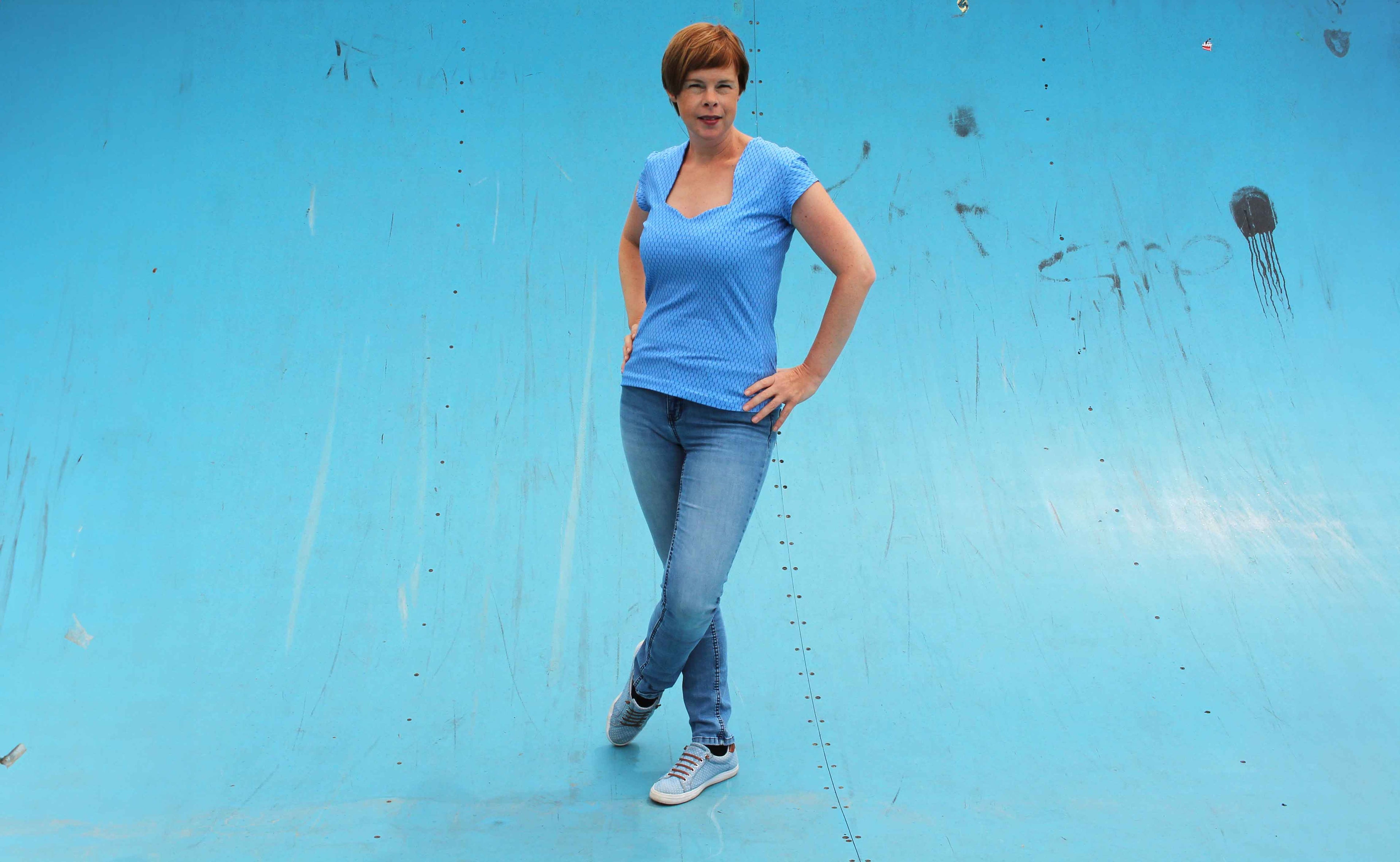
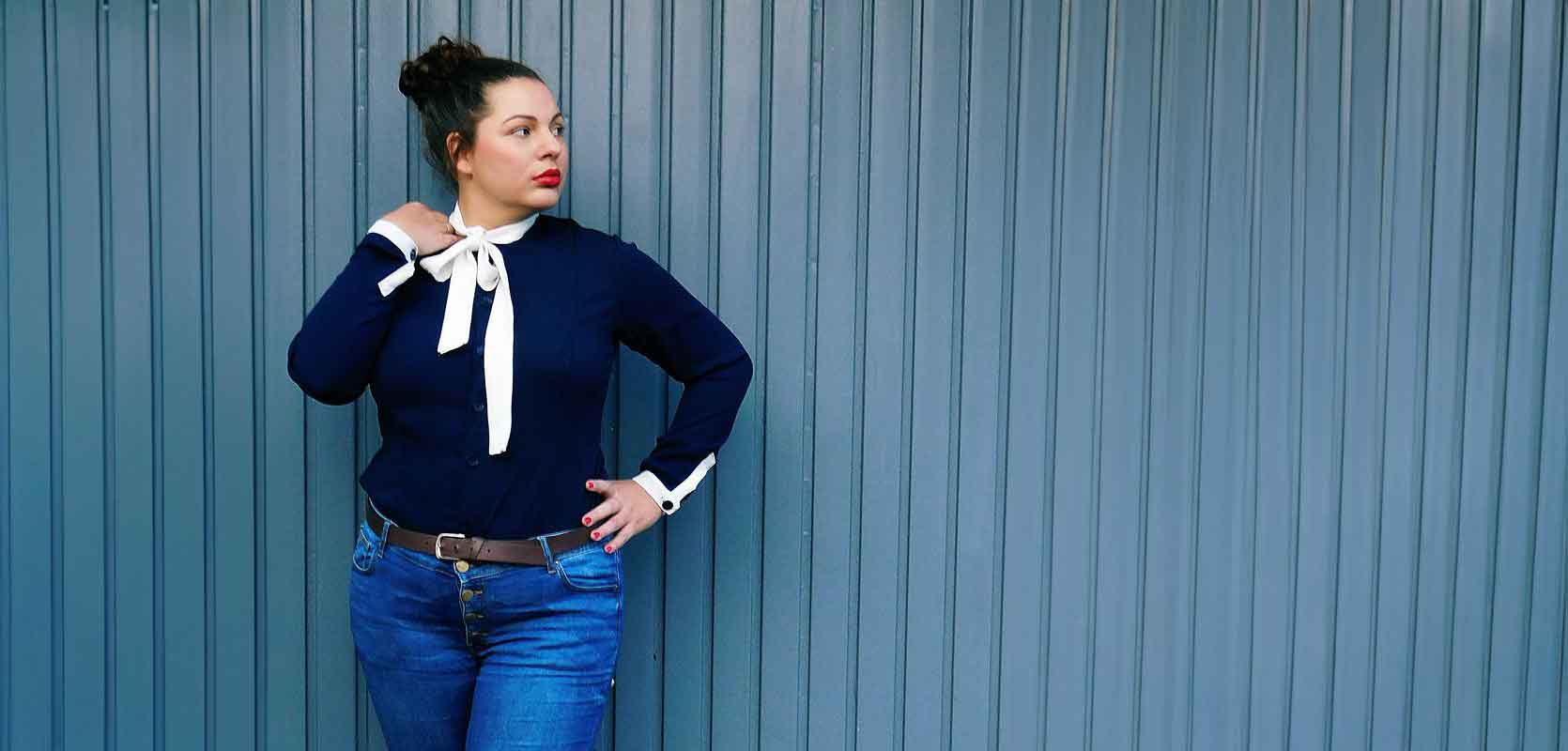
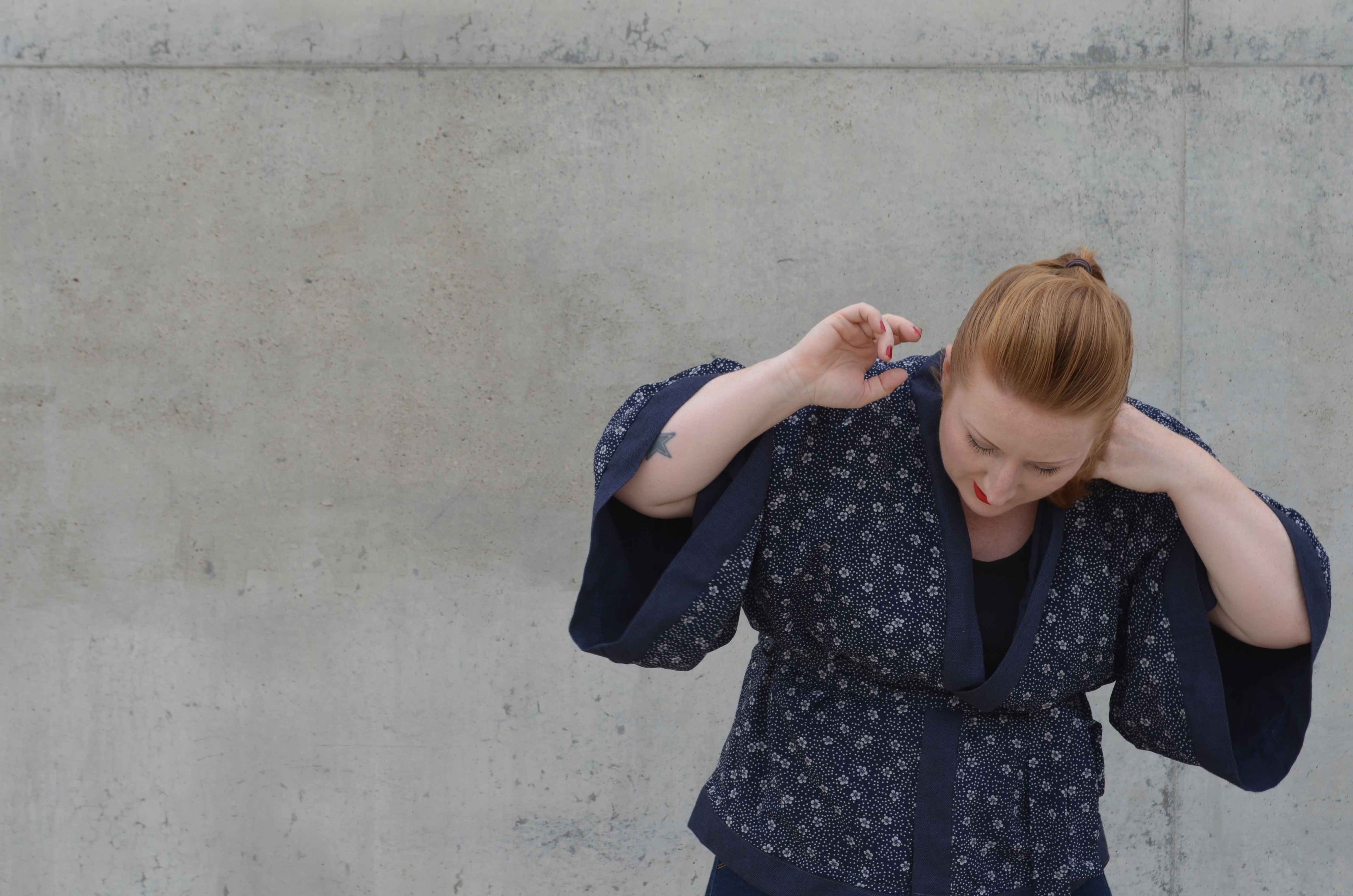
Some information about the color blue, written by Daniela, deka_designkram
TODAY I'M PLAYING BLUE
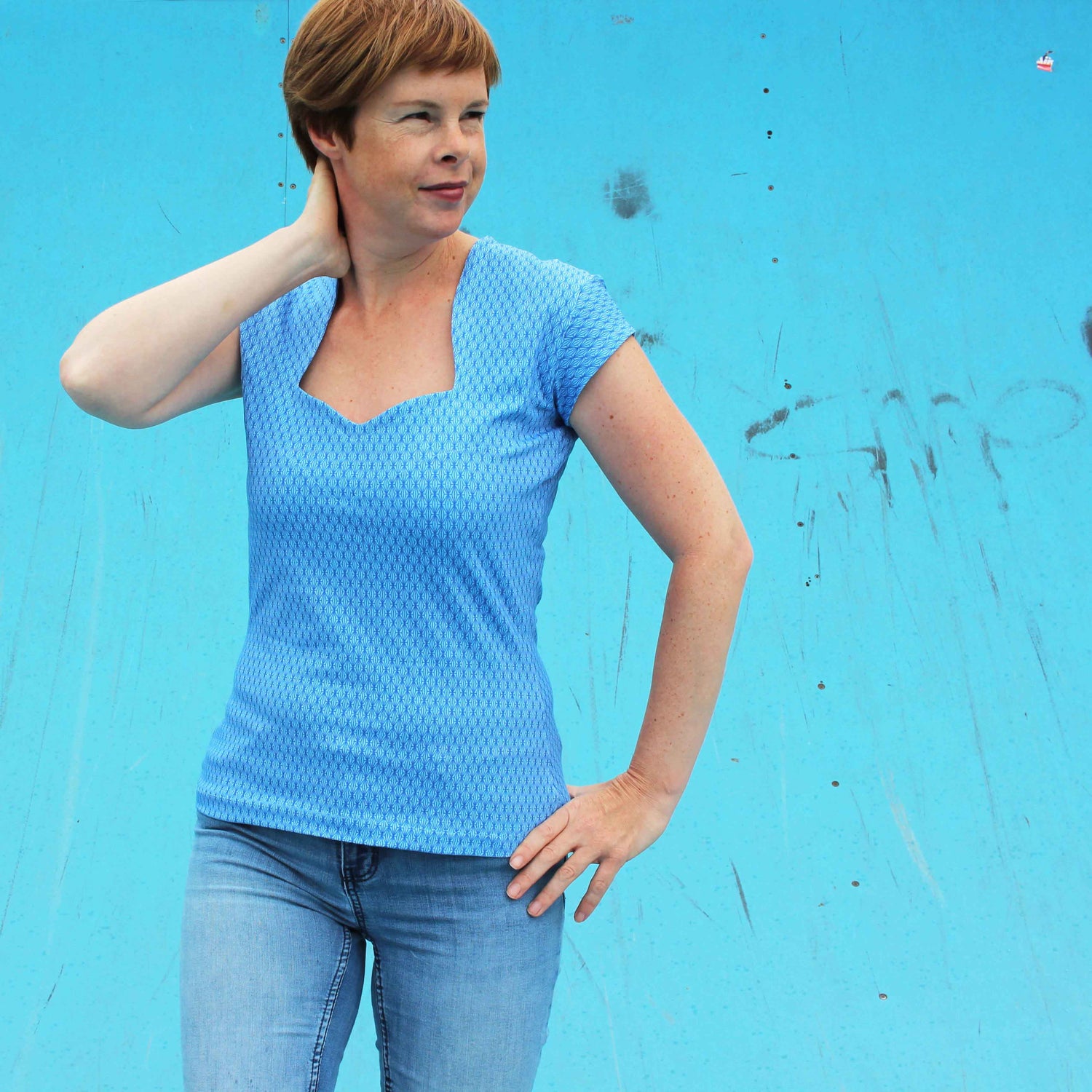
"I'm playing hooky today!"
What some today might see as slacking off or laziness was once a tradition among craftsmen. And the color has also gained its place in music thanks to the blues. Blue really has something special about it – and I don't even have to promise you the moon ;-)
Dyer's apprentices & the cloth-making
When dyeing with woad, journeymen used to have to wait until the cloths, which initially turned yellow through oxidation, became blue. Only then could they be processed further. This usually took place over the weekend, including Monday. And what did one do during such a forced break? Well, drink, for example. Incidentally, that's also where the expression "to be blue" comes from, when someone is drunk.
Blue Monday
In the 17th century, it was common practice for master craftsmen to occasionally give their journeymen Mondays off. Because these journeymen usually wore blue clothing and – in addition to working for themselves – also enjoyed celebrating, the term "good Monday" became "blue Monday".
favorite color of Germans
According to the German Paint Institute, blue is the most popular color among Germans. With 19 percent, blue is clearly in the lead, followed by green (14%) and red (13%). The most popular color range overall is the spectrum from beige (10%) through yellow (7%) to orange (6%).
Clothes make the man
Dark colors in clothing make a person appear confident and reliable – with a certain degree of aloofness. It's no coincidence that many people opt for shades of blue in their business attire. Rumor has it that people who dislike blue often lack inner peace.
Effect of blue
For many people, blue inevitably evokes associations with the sea and sky, with freshness and relaxation, with coolness and longing. Blue light also regulates our circadian rhythm, or biological clock. The body uses this to distinguish between day and night and to control the sleep-wake cycle. Studies in Scotland and Japan have even shown that blue street lighting can reduce crime and suicide rates.
The perception of blue light (approximately 490 nm) activates and regulates the production of the sleep hormone melatonin . Blue light is also said to improve mood and increase feelings of well-being – this is used, for example, in the interiors of ambulances for the benefit of patients. However, blue light needs to be carefully dosed for the human eye: the increased use of LED lamps and screens is responsible for the excessive exposure to harmful blue light. So, remember to switch off more often!
Blue in music
The blues is originally a form of lament. The word comes from the English word "blue," which in this case means "sad." These laments were sung by slaves on plantations. Later, a musical genre developed from them. However, the song "I'm Blue" by Eiffel 65 has absolutely nothing to do with the blues genre, even though the lyrics also deal with feelings of sadness due to loneliness.
Guest post
from our Schwalbe Deka_Designkram
Since 2000, Pantone has chosen the color of the year.
And so, in the 2000s, a specific shade of blue called "Millennium Blue" became popular, as it was associated with the beginning of the new millennium. In the 2010s, a softer shade of blue, "Serenity," was chosen as the Pantone Color of the Year 2016, which increased its popularity in the fashion industry.
When you think of the color blue in the fashion world, images of luxurious evening gowns, casual jeans, or meticulously crafted uniforms immediately come to mind. Blue, in its diverse shades and intensities, has a firm place in our wardrobes and is constantly being reinterpreted by designers in new and exciting ways.
The range of blue tones in fashion is impressive and offers endless possibilities for creative expression. Sky blue can symbolize innocence and lightness and is often found in summer collections, while navy blue exudes professionalism and stability and is often used in business and evening wear. Turquoise and aquamarine bring freshness and energy to any wardrobe and are popular in swimwear and resort fashion.
Historically, blue has a long and significant history in fashion. The indigo blue of jeans is a perfect example. Originally developed as robust workwear for gold miners in the 1870s, jeans are now a global fashion phenomenon and a staple in almost every wardrobe. The color was chosen for its durability and practicality, but it has also become associated with authenticity and longevity.
The cultural symbolism of blue also has a strong influence on its use in fashion. In many cultures, blue symbolizes spirituality, wisdom, tranquility, and peace. It is also the color of trust and reliability—think of the blue uniforms of police officers and pilots. On the other hand, in fashion, blue also represents rebellion and independence—think of the punk movement of the 1970s and 80s with its blue hair and nails.
Blue continues to play a vital role in the contemporary fashion world. Designers appreciate its versatility and the ability to combine it with almost any other color. It's a color that complements every skin tone and always adds a touch of sophistication. From the pastel shades on the runways of Paris and Milan to the bold and eye-catching blues in streetwear, blue is ever-present.
Blue reflects our culture, our history, and our ever-changing moods and styles. The many shades of blue allow us to express ourselves in diverse ways and connect with the world around us.
DO YOU KNOW THE 'BLUE SALON'?
The term "Blue Salon" can mean several things, depending on the context. In some historical buildings or palaces, there may be a room called the "Blue Salon," so named because of the predominant color of its interior. For example, the Semperoper in Dresden has a "Blue Salon" that serves as a VIP and reception room. The Palais am Festungsgraben in Berlin also had a "Blue Salon," which was used as an artists' café during the GDR era.
And used in some literary or intellectual circles to describe a kind of meeting or discussion group, in reference to the historical literary salons.
Blue and Denim: A Look at the History and Vintage Fashion of the 1950s
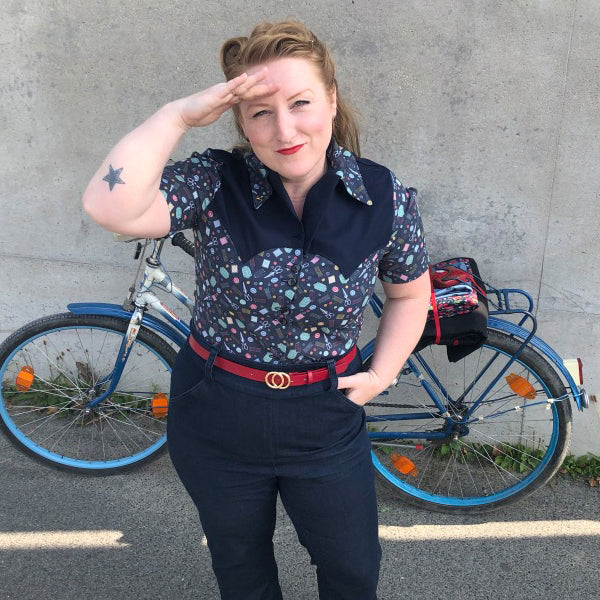
BLUE & DENIM = LOVE
When it comes to fashion, there's one color and one material that has endured for decades and still plays a significant role – blue and denim. But what makes this combination so timeless, and how has it evolved over the years?
SERGE DE NÍMES
Denim fabric, from which most jeans are made today, has a rich and varied history. The exact origins of the fabric are not precisely known, but it is believed that it was first produced in Europe in the 16th or 17th century. Ooh!
The name "denim" comes from the French expression "de Nîmes," meaning "from Nîmes," and refers to the city of Nîmes in France, where the fabric was originally produced. The fabric was first called "serge de Nîmes," which was later shortened to "denim."
The threads of denim fabric were originally made from cotton and woven in a special pattern known as twill. This weave creates a characteristic diagonal pattern on the surface of the fabric. Furthermore, indigo was used for the warp threads, while undyed cotton was used for the weft threads, giving denim its characteristic blue hue and white interior.
Denim fabric was often used for workwear due to its robustness and durability. Levi Strauss, a German immigrant to the USA, began making trousers for gold miners from this sturdy fabric in 1873, thus creating the first jeans. Since then, denim has become a global phenomenon, used in many different clothing styles and fashion trends.
& WHY IN BLUE?
The choice of blue for denim, especially jeans, has historical reasons. The original blue color comes from a natural dye called indigo, which is extracted from the Indigofera plant.
In the era when denim fabric first emerged, indigo was one of the few dyes readily available and durable enough to withstand the rigors of work. Furthermore, indigo possessed a unique property that made it ideal for workwear: rather than penetrating deep into the cotton fibers, the indigo dye remained primarily on the surface. With regular wear and washing, the dye gradually began to rub off, giving the fabric a personal "history" of wear and tear over time. This worn, "broken-in" look eventually became a prized characteristic of jeans and remains an essential element of denim style today.
While indigo was traditionally the preferred dye for denim, jeans and other denim products are now available in a wide variety of other colors. Nevertheless, classic indigo blue jeans remain an iconic garment worldwide.
DENIM REDESIGNED
Denim fabric was often used for workwear due to its robustness and durability. Levi Strauss, a German immigrant to the USA, began making trousers for gold miners from this sturdy fabric in 1873, thus creating the first jeans. Since then, denim has become a global phenomenon, used in many different clothing styles and fashion trends.
START INTO THE 50s
In the 1950s, denim underwent a significant transformation from workwear to a fashion icon. Stars like James Dean and Marlon Brando made blue jeans a symbol of rebellious youth in their films. Women, inspired by Marilyn Monroe and other prominent actresses, also began wearing jeans, thus changing the fashion industry forever.
Vintage fashion from the 1950s, with its focus on denim, has a special appeal and remains highly sought after today. This era was characterized by high-waisted jeans, especially the so-called "mom jeans," and the first versions of the denim jacket. Furthermore, the 1950s made wearing double denim—the combination of a denim top and bottom—fashionable.
DENIM TODAY
Denim still holds a central position in the fashion world today. From classic jeans to jackets, shirts, and dresses – denim in all its variations and forms is omnipresent. Blue, whether in the soft shade Serenity or the vibrant Millennium Blue, remains the dominant color for denim.
Vintage denim fashion from the 1950s has had a lasting influence on today's fashion trends. The rediscovery of the high-waisted cut and the popularity of double-denim looks are just two examples of this.
It's no wonder that both blue and denim are still so popular. They embody a blend of comfort, versatility, and classic style that makes them timeless. They remind us of the rebellious youth of the 1950s and the hard work of the gold miners.
PROCESSING +
Denim fabrics are processed in various ways today to achieve different styles, textures, and looks. Here are some examples:
- Stone washed : Large stones and powerful washing machines are used to lighten and soften the denim fabric. The stones create a natural wear and tear, resulting in the popular vintage look.
- Sandblasting : This process uses sand to wear down areas of the denim, creating a worn, aged look.
However, this type of processing is becoming increasingly controversial due to concerns about worker health and environmental impact. - Acid Washed : In this technique, the fabric is treated with chlorine bleach or similar chemicals to create a very light color and a mottled appearance.
- Distressed (washed out) : Here, artificial signs of wear and tear are created, such as holes or tears, to give a worn look.
- Raw Denim : In this variant, the denim is neither pre-treated nor washed, resulting in a very dark color and a stiff feel. Over time, the fabric softens and develops unique signs of wear.
Furthermore, there are also differences in the composition of the denim fabric itself:
- 100% Cotton : Traditional denim is made entirely of cotton, making it durable and breathable.
- Stretch denim : Here, a small amount of elastane or similar materials is added to make the fabric more stretchy and comfortable.
- Selvedge Denim : This high-quality denim is produced on old looms and is characterized by a clean edge at the hem that does not fray.
Each of these processing methods and compositions has its own advantages, depending on the wearer's needs and preferences. For example, someone who values comfort might prefer stretch denim, while someone who values durability and authenticity might prefer raw denim or selvedge denim. Ultimately, choosing the right denim depends on personal preferences and needs.
DENIM & SUSTAINABILITY
The production of jeans poses significant environmental challenges. The process is resource-intensive, with high water and chemical consumption. A single pair of jeans can require up to 7,600 liters of water, and the use of chemicals such as synthetic indigo has toxic effects. Sandblasting processes can cause health problems for workers and generate significant amounts of dust.
The disposal of jeans, especially those containing synthetic fibers like elastane, contributes to environmental pollution. In light of these problems, efforts are underway to develop more sustainable manufacturing methods, such as the use of organic cotton and natural dyes, or technological innovations to reduce water consumption.
Programs for the reuse and recycling of jeans are also becoming increasingly popular. Despite this progress, the sustainable production of jeans remains a complex challenge that requires broad cooperation between manufacturers, governments, and consumers.
Unfortunately.
ALTERNATIVES DESPITE GREAT LOVE?
Alternatives to traditional denim processing:
- Water and energy efficient technologies : Some companies are using new technologies to reduce water consumption. For example, companies like Levi's and G-Star are using technologies such as ozone bleaching and laser techniques, which use less water and energy.
- Use of organic and recycled materials : Some brands use organic cotton or recycled cotton and plastics in the production of their denim products. One example is Mud Jeans, which offers a jeans leasing concept and uses recycled and organic materials in its products.
Pioneers in sustainable denim production:
- Nudie Jeans : This Swedish company is committed to sustainable denim production. They offer free repairs for their jeans to extend the lifespan of the products and collect old jeans for recycling.
- Patagonia : Patagonia has completely switched its denim line to organically grown cotton and uses innovative processes to reduce water consumption, energy and CO2 emissions during production.
WASH YOUR JEANS? NO?
Washing denim jeans is a controversial topic, almost a religion in itself. One camp recommends washing jeans as infrequently as possible, while the other advocates weekly washing. Those in favor of infrequent washing argue that it preserves the character and fit of the jeans and is more environmentally friendly. Regular washing, on the other hand, emphasizes hygiene and maintaining a fresh appearance. There are also compromises, such as airing or gentle hand washing. Ultimately, it depends on personal preference and the type of jeans.
If you believe the truly artisanal denim manufacturers from Great Britain, then washing less would be the better choice.
Ultimately, the decision of whether or not to wash jeans is up to each individual. It's advisable to consider your personal wearing style, the condition of the jeans, and your personal preferences to determine the best approach.
So there is no right or wrong.
SMALL BUT NICE
The difference that end customers and denim lovers can make.
- Buy more consciously : Try to buy fewer but higher-quality clothes that last longer.
- Buy second-hand or rent : Consider whether you really need new clothes, or whether second-hand or renting could be an option.
- Care and repair : Jeans can often be repaired instead of thrown away. Some companies even offer free repair services.
- Recycling : If a garment is truly beyond repair, consider how it can best be recycled. Some companies have programs for collecting and recycling old clothes.
Overall, every conscious purchase and every conscious decision contributes to promoting the transition to more sustainable practices in denim production.
And so that we can give you a clear recommendation, why not conjure up our Trudi, a pair of high-waisted vintage-look jeans, from all your old jeans, or buy them at
HUIT DENIM FROM WALES
An absolute recommendation, showcasing a wealth of knowledge, style, and craftsmanship surrounding this fashion item for generations.
❥ WHAT IS THE BLUE HOUR & WHAT MAKES IT SPECIAL
The blue hour refers to a period of twilight in the morning and evening when the sky appears a deep blue. It occurs when the sun is approximately 4 to 8 degrees below the horizon. During this time, the light is particularly soft and even, which photographers often use to create atmospheric images. The exact duration of the blue hour depends on geographical location and the time of year and can vary from a few minutes to an hour. The term "blue hour" comes from the French ("l'heure bleue") and is often associated with a melancholic, dreamy mood in literature and art.
SO IT IS PERFECT FOR THE NEXT SHOOT OF HER FAVORITE CLOTHES.